Balancing
a diet with these macro-nutrients will provide for
your body in the long-run. Carbs, proteins, and fats are full of nutrients
needed for many body functions, including growth. Each of these
macronutrients provide in different ways, with different impacts on your
body. Carbs contain 4 calories per gram, protein contains 4 calories per
gram, and fat contains 9 calories per gram.
According
to the USDA, 45%-65% of caloric intake should come from carbohydrates,
which makes it the macro-nutrient needed in the largest amounts. Carbs are
made of mostly carbon, hydroxide, and oxygen atoms. Together these
atoms can work to protect, store, and structurally support foods.
Carbohydrates are divided into two simple categories, simple sugars, and
complex carbs. Simple sugars would be glucose, galactose, and fructose.
Complex carbs can be found in grains and starchy vegetables (like
potatoes!). All carbohydrates eventually break down to become glucose,
which is the main energy provider for the body, especially the nervous system and the
brain. Grainy foods like pasta, bread, cereals, and bran are high in
carbohydrates and starch count.
Proteins
are what most of our muscles, organs, and
immune systems are made up of. Protein has many jobs, including
constructing, replacing, and sustaining the tissues in the body. Well
first, what are proteins made of? Like carbs, proteins are made up of
carbon, hydrogen, oxygen, plus nitrogen. Together these are called amino acids,
which make for a pretty complicated protein molecule. There are
different types of amino acids (around 20), and like DNA appear in
different orders, amino acids provide different functions. The nine most important
amino acids are called the "essential amino acids" because your body
can only get them through foods you eat. The essential amino acids are
histidine, isoleucine, leucine, lysine, methionine, phenylalanine,
threonine, tryptophan, and valine. The needed amount of protein daily
for a teenager would be around 1 gram per pound of body weight. Foods that
will help you reach these requirements include food from animals (like
meat or milk), whole grains, peanut butter, and broccoli.
Fats, both
good and bad, are essential to your diet and should make up 10-25% of
your daily caloric intake. There are two types of fats: saturated and
unsaturated. Unsaturated fats are mostly found in fish like salmon or
tuna, or in vegetable oils. Saturated fats can fatally increase your risk of heart disease,
and is found in foods such as red meat, butter, cheese, milk, and other dairy products. The worst of saturated fats are usually found in
baked goods. Another type of fat is trans fat, which also raises your
risk of heart disease. This nasty dietary component is made when liquid
vegetable oil is chemically altered in a process called hydrogenation,
which turns that oil into a solid. Look out for labels with zero trans
fat per serving, as they are the best for you (but, doesn’t always mean
NO trans fat, since many companies round down the trans fat). Whole and natural foods are the safest because they are
completely free of trans fat. Fats are made up of carbon, hydrogen and
oxygen, just like carbohydrates, which makes them a great source of
energy. Fats can come in both solid and liquid form, and are essential
for the proper working of your body. When your body has used up all
calories from carbohydrates, it turns to fat as its next energy source.
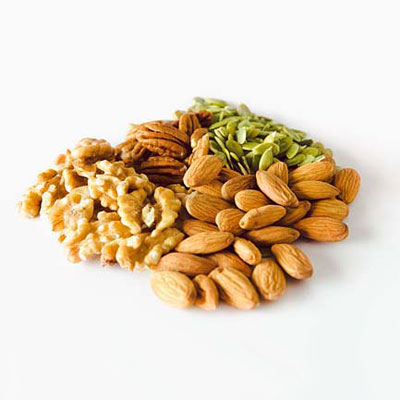
Some good fatty foods to add to your diet would be cold water fish like trout and tuna (full
of omega-3's!), plant oils like hemp oil and vegetable seed oil, and nuts
and seeds such as hazelnuts, almonds, cashews, and sunflower seeds.
Sources: http://www.livestrong.com/article/413149-the-importance-of-fats-carbohydrates-and-protein/
http://www.mckinley.illinois.edu/Handouts/macronutrients.htm
http://www.superkidsnutrition.com/nutrition_answers/nw_whatisacalorie.php
http://www.medicalnewstoday.com/articles/161547.php
http://kidshealth.org/kid/nutrition/food/protein.html
http://life.familyeducation.com/protein/foods/48677.html
http://www.livestrong.com/article/411442-what-kind-of-cold-water-fish-are-healthy-to-eat/
http://maxhealthradio.com/wp-content/uploads/2011/08/White-flour-products.jpg
http://www.mydietmealplanner.com/foodgroups/nutrition-facts-nuts-and-seeds.jpg


No comments:
Post a Comment