Sunday, July 15, 2012

Why It's Important For a Teenager to Eat Heart-Healthy Foods

          Did you know that coronary heart disease kills over 1.2 million Americans a year, making it count for over half of all deaths in our nation? This is one of the reasons why eating heart-healthy foods is so important for teenagers. Maintaining a healthy body weight is necessary for anybody at any age, especially as a teenager. They are always active and moving, so it’s important for them to eat healthy foods so they can have energy to do physical activities. Eating healthy also helps maintain your overall physical fitness. Teenagers are still growing, so having a nutritious diet will support the growing and developing body. Also, eating a healthy diet will help fight against diseases, especially as they grow older.
    
           Eating heart healthy is equally important, because your body can’t function without your heart. Making sure you eat heart healthy will help to lower your blood pressure and cholesterol, control diabetes (if you are diabetic) or prevent diabetes, and improve your overall fitness. 

Blood pressure is the pressure of the blood when circulating through your blood vessels. For an adult, the desired blood pressure would be 90-119. Hypotension, or a strangely low blood pressure, is 90 or less. Hypertension, or high blood pressure, is 140 and up. 

Cholesterol is a lipid, or fat, that your body needs. There are four types of cholesterol: HDL, LDL, triglycerides, and Lp(a). HDL is considered the "good" cholesterol, as it protects against heart attack and stroke. It is believed that HDL cholesterol takes all the bad cholesterol back to the liver and removes excess cholesterol in the plaque in your arteries, which slows down the build up of it in your arteries. LDL cholesterol is the "bad" cholesterol. When mixed with other substances, it can turn into a thick plaque that coats and builds up in your arteries. This gives you a very high risk for getting a heart attack. Triglycerides are a type of fat that can be caused by inactivity, overweight/obesity, smoking cigarettes, excessively consuming alcohol, and eating a high-carb diet. Finally, Lp(a) is a type of LDL cholesterol that little is known about. It is said to be a contributor to the build-up of plaque in your arteries. 
If your cholesterol level is too high, it will build up in your blood vessels and can cause atherosclerosis, which is the hardening of the artery wall. Having high levels of cholesterol can also cause heart disease and stroke. If you have diabetes, you have a higher chance of getting atherosclerosis. 

Diabetes is a condition where instead of being used in the body’s cells for energy, sugar is stays in the blood. This gives you a really high blood sugar, which can damage a lot of your body’s systems over time. People who have diabetes have an increased risk of things such as atherosclerosis, heart and eye problems, circulation and nerve problems, and kidney disease and failure.

Sources: http://www.health.com/health/library/topic/0,,tb1869_tb1875,00.html
http://en.wikipedia.org/wiki/Blood_pressure
http://en.wikipedia.org/wiki/Hypotension
http://en.wikipedia.org/wiki/Hypertension
http://www.health.com/health/library/mdp/0,,stc123682,00.html#stc123682-sec
http://www.health.com/health/library/mdp/0,,std120744,00.html#std120744-sec
http://www.teenobesity.net/category/teen-obesity-diet-tips-and-plans                            http://www.heart.org/HEARTORG/Conditions/Cholesterol/AboutCholesterol/Good-vs-Bad-Cholesterol_UCM_305561_Article.jsp

Tuesday, July 10, 2012

How to Determine the Recommended Daily Caloric Requirement for a Teen

First, what is a calorie? Many have heard and read this word on nutrition facts, but not many know what it is and how it helps our bodies. The dictionary definition of a calorie is “the energy needed to raise the temperature of 1 gram of water through 1° C” (Dictionary.com). In easier terms, calories provide the energy our bodies need. Taking in too little calories could be detrimental to the growth of a teen’s key organs. 

You can determine the recommended daily caloric requirement for a teenager by looking at three factors: weight, amount of muscle, and activity level. You need the right amount of calories, because your body needs to burn calories to get energy. If you have a heavier body weight, you need to have more calories than someone with a lighter body weight. Also, if you have a high activity lifestyle, you’re going to need more calories than someone with a low activity lifestyle. To find your caloric intake, you multiply your BMR (Basal Metabolic Rate) by 1.4.

You also need to consider gender and age when figuring out how many calories you should be having. Usually, the younger you are, the less calories you need. Girls generally need less calories than boys. For example, a girl who is 14-18 years old who has a low-activity lifestyle should consume around 1,800 calories a day. If she is moderately active, she should consume around 2,000 calories a day, and if she is active she should consume 2,400 calories a day. A boy who is 14-18 years old who has a low-activity lifestyle should consume around 2,200 calories a day. If he is moderately active he should consume around 2,400 to 2,800 calories a day, and if he is active he should consume around 2,800 to 3,200 calories a day. 

                                                                                                                                                 Sources: http://www.exercise4weightloss.com/teen-calorie-intake.html
http://www.theofficialdiet.com/2008/06/16/recommended-daily-calorie-intake
https://blogger.googleusercontent.com/img/b/R29vZ2xl/AVvXsEiB7mCSkzc0UZrmSB9YaIjsiZxkTS2APlPGGMGxGKY7XLTQNB1-AGbbLQo3s7NN2w5XSKniqqnG11eMxL36TG9XfzrmihIdgBgpmDDGByHjUhyphenhyphen_HhSLGP0rngO04pPcEl0-1EE5ALsZKECi/s1600/Picture+3.png

The Importance of Carbohydrates, Proteins, and Fats

Balancing a diet with these macro-nutrients will provide for your body in the long-run. Carbs, proteins, and fats are full of nutrients needed for many body functions, including growth. Each of these macronutrients provide in different ways, with different impacts on your body. Carbs contain 4 calories per gram, protein contains 4 calories per gram, and fat contains 9 calories per gram. 

According to the USDA, 45%-65% of caloric intake should come from carbohydrates, which makes it the macro-nutrient needed in the largest amounts. Carbs are made of mostly carbon, hydroxide, and oxygen atoms. Together these atoms can work to protect, store, and structurally support foods. Carbohydrates are divided into two simple categories, simple sugars, and complex carbs. Simple sugars would be glucose, galactose, and fructose. Complex carbs can be found in grains and starchy vegetables (like potatoes!). All carbohydrates eventually break down to become glucose, which is the main energy provider for the body, especially the nervous system and the brain. Grainy foods like pasta, bread, cereals, and bran are high in carbohydrates and starch count.

Proteins are what most of our muscles, organs, and immune systems are made up of. Protein has many jobs, including constructing, replacing, and sustaining the tissues in the body. Well first, what are proteins made of? Like carbs, proteins are made up of carbon, hydrogen, oxygen, plus nitrogen. Together these are called amino acids, which make for a pretty complicated protein molecule. There are different types of amino acids (around 20), and like DNA appear in different orders, amino acids provide different functions. The nine most important amino acids are called the "essential amino acids" because your body can only get them through foods you eat. The essential amino acids are histidine, isoleucine, leucine, lysine, methionine, phenylalanine, threonine, tryptophan, and valine. The needed amount of protein daily for a teenager would be around 1 gram per pound of body weight. Foods that will help you reach these requirements include food from animals (like meat or milk), whole grains, peanut butter, and broccoli.

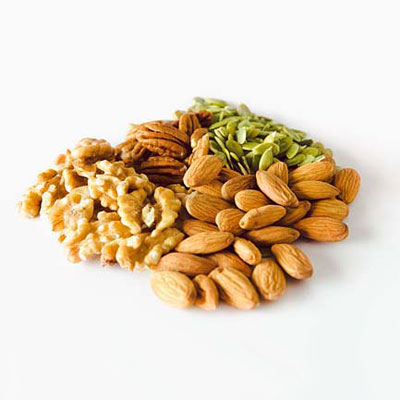
Fats, both good and bad, are essential to your diet and should make up 10-25% of your daily caloric intake. There are two types of fats: saturated and unsaturated. Unsaturated fats are mostly found in fish like salmon or tuna, or in vegetable oils. Saturated fats can fatally increase your risk of heart disease, and is found in foods such as red meat, butter, cheese, milk, and other dairy products. The worst of saturated fats are usually found in baked goods. Another type of fat is trans fat, which also raises your risk of heart disease. This nasty dietary component is made when liquid vegetable oil is chemically altered in a process called hydrogenation, which turns that oil into a solid. Look out for labels with zero trans fat per serving, as they are the best for you (but, doesn’t always mean NO trans fat, since many companies round down the trans fat). Whole and natural foods are the safest because they are completely free of trans fat.  Fats are made up of carbon, hydrogen and oxygen, just like carbohydrates, which makes them a great source of energy. Fats can come in both solid and liquid form, and are essential for the proper working of your body. When your body has used up all calories from carbohydrates, it turns to fat as its next energy source. Some good fatty foods to add to your diet would be cold water fish like trout and tuna (full of omega-3's!), plant oils like hemp oil and vegetable seed oil, and nuts and seeds such as hazelnuts, almonds, cashews, and sunflower seeds.  
                                                                                                                                    Sources: http://www.livestrong.com/article/413149-the-importance-of-fats-carbohydrates-and-protein/
http://www.mckinley.illinois.edu/Handouts/macronutrients.htm
http://www.superkidsnutrition.com/nutrition_answers/nw_whatisacalorie.php
http://www.medicalnewstoday.com/articles/161547.php
http://kidshealth.org/kid/nutrition/food/protein.html
http://life.familyeducation.com/protein/foods/48677.html
http://www.livestrong.com/article/411442-what-kind-of-cold-water-fish-are-healthy-to-eat/
http://maxhealthradio.com/wp-content/uploads/2011/08/White-flour-products.jpg
http://www.mydietmealplanner.com/foodgroups/nutrition-facts-nuts-and-seeds.jpg


Key Micronutrients

           Micro-nutrients are just as important as macro-nutrients when it comes to fighting heart disease! They are essential, but needed in much smaller amounts.

Buy your vitamin rich fruits @ a local farmer's market!
Both vitamins and minerals are micro-nutrients that boost our immune systems and work to lessen the load of our internal organs (like the heart!). There are many important vitamins helpful in the fight against heart disease - the main ones being vitamin C and vitamin E. Vitamin C keeps the blood vessels in our bodies stable and open, as well as quickly mending and healing any small tears in the vessels. Vitamin C also contains enzymes that improve the metabolism, or breakdown of cholesterol, which over time will decrease risk of different heart diseases. The main job of vitamin E is to protect the membrane in the cardiovascular system, preventing all kinds of damage to the heart. Small intakes of vitamin E will help keep your blood thin and fat particles from oxidizing, which decreases the chances of clotting and tearing in the blood vessels. It is easy to include these vitamins in your diet through your favorite fruits and vegetables! Some locally-grown fruit options include guava, strawberries, pineapple, and papaya. Don’t forget vegetables like raw sweet peppers, cauliflower, brussel sprouts, and some locally grown sweet potatoes!
These foods are full of calcium!

A vital micro-nutrient that we always hear about is calcium! Calcium is needed for the continued growth and strengthening of bones and teeth in our body. Calcium supports the nervous system and keeps the heart beating. Some foods that are very rich in calcium include non or low-fat yogurts, non or low-fat cheeses, seafood, and oatmeal. People with high blood pressure and high cholesterol could benefit from these foods and see changes in their heart health over time. It's important to consume foods with lots of calcium especially as a teenager, as it will reduce your risk of osteoporosis (the weakening of your bones) and other diseases as you get older.

Eat lots of bananas to maintain a healthy potassium level!
Minerals such as potassium and magnesium are also imperative to your heart health. Both have tremendous impact on the proper function of your body, especially your heart. Filling your body with yummy, potassium rich food helps to keep and maintain a healthy blood pressure. The USDA recommends the average person to have around 4 grams of potassium a day. Some foods to fill your diet with include potatoes, beans, bananas, skim or low-fat milk, and fishes like halibut, tuna, or cod! Magnesium contributes to regulate both potassium and the vitamins mentioned above. Along with that, it keeps the heart tough, helps the structure of your bones and teeth, balances electrolytes, and supports muscle function. You can find your recommended intake of magnesium (380 milligrams) in vegetables such as artichokes, spinach, pumpkin, or other foods like tofu or brown rice.

Trace Minerals
Iron is commonly found in red blood cells. The proteins in it help carry oxygen from the lungs to various tissues in the body. Finding iron-rich foods to incorporate your diet is split into two categories: “heme” iron, found in meats like red meat, chicken, and other animal products, and “non-heme” iron, which is found in dark-green veggies, whole grains, and dried fruits. Lacking in proper iron intake, or consuming too much can lead to health problems such as anemia and increased risk of infection. Both iron and magnesium are micro-minerals, or trace minerals, that your body needs to function. There are many other micro-minerals like these that should be taken regularly like chromium, zinc, and iodine, that aren’t as significant to the cardiovascular system. Overall, it is important to include the above nutrients in your diet to help maintain a healthy heart!

Foods to Limit and Avoid

Eating healthy can definitely be a challenge, especially for teenagers. An important factor to eating right is knowing what foods to limit or avoid to help take care of your body in the long run. Taking care of your heart and eating healthy go hand in hand, so remember these main foods that could be detrimental to your health if you eat them often.
Whole grains are great!
Foods that contain refined grains may look more appealing or taste better, but they can do lots of damage to your body. Refined grains have been ground and enriched with different vitamins, but also stripped of its natural B-vitamins, iron, and dietary fibers. They appear in foods like white bread, pretzels, tortillas, and white rice. Over time, refined grains can increase the amount of glucose, or sugar, in the bloodstream, which causes your blood sugar to drop and keep you hungry. It is one of the foods that will surely increase your risk for a heart attack, especially if you are overweight. Instead of consuming refined grains, try whole grains instead. Whole grains have a good amount of dietary fiber, which can help lower cholesterol levels in the blood and reduce the risk of heart disease. These grains can easily be found in whole grain bread, homemade plain popcorn, and brown rice.
Avoid baked goods as much as possible!
Commercial baked goods made with lots of fat and sugar are extremely unhealthy and should be avoided as much as possible. Yes, cake and ice cream are delicious, but the fat inside these tasty treats will eventually clog your arteries and can give you a heart attack. Instead, switch to healthier alternatives to your favorite desserts. If you are craving a chewy cookie, go for a low-fat granola bar. Yogurt is also an awesome option if you could go for a bowl of ice cream, but remember, avoid foods with aspartame and other artificial sweeteners. Foods labeled as "low-fat,” “reduced fat,” or “fat-free” sometimes contain some type of artificial sweetener, which have been proven to be a trigger for cancer. 
Stray away from sugar!

Avoiding sugar as much as possible is essential in a healthy lifestyle, especially when taking care of your heart. Sugars are a typical ingredient in soft drinks, candy, baked goods, dairy products, and grain products like cereal. Studies show that the average American teenager consumes about 28.3 teaspoons of sugar everyday. Although there is no specific limit on sugar for teenagers, adult men should consume about 9 teaspoons at the most per day, while adult women can pass with 6 teaspoons. Obviously, excessive sugar consumption is a terrible problem. It can lead to becoming overweight or obese, diabetes, and heart disease. To reduce your risks for all of these diseases, try cutting the amount of sugar you normally eat in half and slowly reduce. Instead of drinking a sugary soda, try a 100% fruit juice. Snacking on packaged cookies and crackers may feel satisfying, but some slices of fresh fruit or vegetables taste just as good and are way better for you! If you are having a sweet craving, try making your own baked goods, but remember to cut back on the sugar and use natural, healthier ingredients than the recipe may say. 

Although there are other foods that should be limited to help take care of your heart, the three above are the ones that cause the most damage. Taking care of your heart is extremely important and will help prolong your life.
Sources: http://www.livestrong.com/article/324934-heart-healthy-eating-for-teenagers/
http://www.heart.org/HEARTORG/GettingHealthy/NutritionCenter/HealthyDietGoals/Whole-Grains-and-Fiber_UCM_303249_Article.jsp
http://www.sharecare.com/question/why-refined-grains-bad-heart
http://www.foodandlife.com/foodh.html
http://www.heart.org/HEARTORG/GettingHealthy/NutritionCenter/HealthyDietGoals/Sugars-and-Carbohydrates_UCM_303296_Article.jsp
http://www.livestrong.com/article/478658-how-much-sugar-should-a-teen-have-a-day/http://www.photo-dictionary.com/photofiles/list/2781/3702whole_grain_bread.jpg http://onlineflowers24x7.com/product-images/8f14e45fGTWIN007CAKE.jpg
http://files.libertyexim.webnode.com/200000150-6024b611e2/indian%20white%20sugar%20cubes.jpg
http://openclipart.org/image/800px/svg_to_png/26557/raemi_Check_mark.png
https://upload.wikimedia.org/wikipedia/commons/thumb/archive/5/5f/20070510203255!Red_X.svg/120px-Red_X.svg.png

Things to Remember When Maintaining a Heart-Healthy Meal Plan

          Centering your daily food intake around the health of your heart is very helpful and great for your body. But, it can be quite confusing and challenging to remember what is good, what isn’t, and what you can have in moderation. 

Remember this chart!
Keep in mind to control your portions. You could be eating quite healthy but still have a few extra pounds if you eat too much. Remember that when eating fruits, vegetables, and grains, a cup (or a fist size) of each is enough for a day! A good portion for meat is about the size of your palm, while any type of fat should be consumed at around the size of the top of your thumb. Most boys and girls between the ages of 14-18 should be eating about 3 cups of any healthy dairy product.* Try eating your meals on smaller plates and pre-portioning snacks like chips, instead of taking the whole bag with you.

* Portions vary from person to person due to activity level, weight, genes, and gender. You may have to find what portions work best for you according to those factors.
 

It’s important to remember some of the most heart-healthy foods and incorporate them into your diet as much as possible. One of them is yogurt, which is rich in calcium, protein, and can help to lower LDL cholesterol. Yogurt is one of the most heart-healthy foods out there, as there are beneficial bacteria inside that help to clean your stomach and unclog your arteries. Because of that fact, studies have shown that yogurt can help with the prevention of atherosclerosis (the thickening of the artery wall), which in turn will help prevent heart disease and strokes.

Another food that your heart will love is salmon. Salmon is rich in omega-3 fatty acids, which are essential for not only your heart, but many other parts of the body as well. Omega-3 fatty acids are incredibly important for normal development, especially during puberty. These fatty acids also can reduce inflammation and can help to lower the risk of diseases such as cancer, arthritis, and of course, heart disease. It is recommended to consume a food with omega-3 fatty acids at least two times a week to help prevent these chronic diseases.

Finally, carrots are a great food to eat to keep your heart healthy. Carrots contain the antioxidant beta-carotene, which will lower your risk for getting a heart attack. They also hold high levels of fiber that will help to keep the heart and arteries clear. 
Remember, don’t limit yourself to these foods alone. There are tons of other foods that are not as crucial, but still important for the health of your heart. Antioxidants are a great thing to include in the foods you eat daily. They’re easily found in berries, beans, and potatoes. Consume foods with high levels of calcium yet low in calories, such as soy milk, tofu, papaya, and broccoli. Finally, fiber is essential in any diet, so try to eat cantaloupe, brown rice, sweet potato, asparagus, or any other food containing fiber to help your digestive and circulatory systems. Have a healthy balance of all food groups in your diet to achieve a healthy, happy heart.
http://familyconsumersciences.com/wp-content/uploads/myplate_magenta.jpg
http://www.google.com/imgres?start=107&um=1&hl=en&safe=active&client=firefox-a&rls=org.mozilla:en-US:official&biw=1166&bih=624&tbm=isch&tbnid=24uU5vHap3IYxM:&imgrefurl=http://jasonbye.photoshelter.com/image/I0000Dap0aA7Yk9A&docid=Pm0FrJXp3kBxaM&imgurl=http://cdn.c.photoshelter.com/img-get/I0000Dap0aA7Yk9A/s/750/750/cooked-salmon-studio-003-jbye.jpg&w=750&h=498&ei=68MDUM6PBuTq2QWXwqCJCw&zoom=1&iact=hc&vpx=851&vpy=313&dur=152&hovh=183&hovw=276&tx=149&ty=81&sig=109163944798885100725&page=6&tbnh=112&tbnw=168&ndsp=22&ved=1t:429,r:5,s:107,i:89 
http://assets.kaboose.com/media/00/00/0c/8d/a71824b6768e8800e2130dd54e1ebd5c4a2d34e2/476x357/rotator-yogurt_476x357.jpg
http://www.dinewise.com/images/photos/1643_lg.jpg

3-Day Meal Plan


Delicious and nutritious!
    

Day 1
Breakfast:
• Breakfast Parfait -
    2 cups plain yogurt
    2-3 handfuls of fresh mixed berries (sliced strawberries, blueberries, raspberries, etc.)
    Sliced almonds (to taste) as topping
    Drizzle of honey
• 1 slice whole-grain toast with a thin layer of peanut butter
• 1 apple banana


Lunch:
• Turkey Sandwich 

    2 slices of pre-sliced lean turkey (all natural!)   
    Half an avocado, sliced
    3 medium-sized lettuce leaves
    4 slices of heirloom tomato
• Apple slices
• Homemade plain popcorn

Snacks:
• Handful of baby carrots
• 3 tbsp. organic hummus

• Handful of grapes (good frozen!)
• Handful of cherries

Dinner:
• 1 filet of poached salmon
• 1 cup (fist size) brown rice
• Small side salad (ingredients to taste)
    Baby lettuce
    Cucumber slices
    Baby tomatoes
• Drizzle of vinegrette
    1 tbsp. olive oil
    1 tsp. lemon juice
    Pinch of black pepper
• Sauteed asparagus

Day 2
Breakfast:
• Oatmeal (cooked in fat-free milk or soymilk)
• Handful of blueberries (as topping)
• Cantaloupe/honeydew melon cubes
• 1 boiled egg


Yum, a refreshing and wholesome lunch!
Lunch:
• Pasta salad
    1 cup (fist size) penne pasta
    ½ can tuna in water
    Chopped cherry tomatoes

    Drizzle of olive oil
    Pinch of black pepper
• Sliced peaches
• Kale chips

Snacks:
• “Ants on a Log”
    Sliced celery stalks
    Raisins

    Peanut butter 
 
• Avocado burrito
    Toasted whole-wheat tortilla
    Avocado, spread evenly
    Squirt of lime juice

Dinner:
• Grilled chicken breast
• Bed of arugula
• Mashed sweet potatoes
    Boiled sweet potatoes
    Cinnamon
    Nutmeg
• 3 pineapple spears

Day 3
Breakfast:
• Breakfast smoothie
    Plain yogurt
    Cubed mango
    Squirt of lemon juice
    Splash of soymilk
    Drizzle of honey
• Omelet
    Egg whites
    Sweet peppers, sliced
    Mushrooms, sliced
    Sweet corn

Lunch:
• 2 fish tacos
    Whole-grain taco shells
    Shredded lettuce
    Tomatoes, diced
    Low-fat cheddar cheese, shredded
    Poached halibut, shredded
• 2 Clementine tangerines

Snack:
• Grapefruit

A different take on a family favorite :)
 
• Apple slices with peanut butter

Dinner:
• Mediterranean vegetable pizza
    Low-fat mozzarella cheese, shredded
    Bell peppers, diced
    Tomatoes, diced
    Baby mushrooms, diced

    Olives
     Whole-wheat tortilla
    Drizzle of olive oil

• Assorted sliced fruits
• Sauteed green beans